Introduction
Crate training an older rescue dog with separation fears and phobias requires patience, understanding, and a thoughtful approach. Unlike puppies, older rescue dogs may arrive with years of learned habits, unfamiliar experiences, or negative associations with confinement. Some become anxious when their owners leave the room, while others panic when they hear thunder, fireworks, or unfamiliar noises. For these dogs, a crate can feel frightening rather than comforting.
The good news is that age does not prevent a dog from learning new behaviors. With gradual introductions, positive reinforcement, and a safe environment, crate training an older rescue dog can help establish a predictable routine and encourage relaxation. However, a crate is not a cure for separation anxiety or phobias. The goal is to help your dog feel secure, not simply to keep them confined.
This guide explains how to introduce a crate, recognize signs of distress, address separation fears, and build a training routine that respects your rescue dog’s emotional needs.
Understanding Why Older Rescue Dogs Fear Crates
Before starting crate training an older rescue dog, consider what might be causing the fear. Understanding the underlying problem helps you choose an approach that supports your dog’s emotional well-being.
Past Experiences Can Influence Crate Anxiety
Some rescue dogs have spent long periods in kennels, shelters, or unsuitable living conditions. Others may have experienced punishment, neglect, or frightening confinement. Even without a traumatic history, a dog unfamiliar with crates may feel trapped when a door closes.
An older dog may also have learned that certain household routines predict something unpleasant. For example, picking up car keys, putting on shoes, or closing a bedroom door may trigger anxiety because these actions signal that the owner is about to leave.


Avoid assuming that every rescue dog has experienced abuse. Fear can develop for many reasons, including genetics, limited early socialization, sudden changes, and unfamiliar surroundings.
Separation Anxiety Is Different from Crate Discomfort
Separation anxiety occurs when a dog experiences significant distress when separated from a particular person or left alone. Symptoms may include persistent barking, pacing, drooling, destructive behavior, house soiling, and attempts to escape.
Crate discomfort, on the other hand, may occur even when the owner remains nearby. A dog might dislike the confined space but feel comfortable resting on a bed in the same room.
Some dogs experience both problems. In these cases, crate training an older rescue dog should address comfort with confinement separately from the ability to remain alone. Forcing a dog into a crate while they are panicking can intensify fear and cause injuries.
Choosing the Right Crate for Your Rescue Dog
The right crate should feel like a comfortable resting area rather than a restrictive enclosure. Your dog’s size, physical condition, temperament, and previous experiences should guide your decision.
Select a Comfortable Size
Choose a crate that allows your dog to stand naturally, turn around, lie down comfortably, and stretch out. A crate that is too small can cause physical discomfort, while an excessively large space may be less suitable for some house-training arrangements.
Older dogs may benefit from a crate with a low entrance, especially if they have arthritis or limited mobility. A sturdy, easy-to-clean model with good ventilation is generally a practical choice.
Create a Calm and Familiar Environment
Place the crate in a quiet area where your dog can relax without feeling isolated from the household. Some dogs prefer a living room corner, while others settle better in a peaceful bedroom.
Add comfortable bedding if your dog does not chew or swallow fabric. A familiar blanket or an item carrying your scent may help, provided it is safe for your dog.
Never use the crate as punishment. Your dog should associate it with rest, food, comfort, and positive experiences.
How to Crate Train an Older Rescue Dog Step by Step
Successful crate training an older rescue dog begins with small experiences that build confidence. Progress depends on your dog’s comfort, not on completing a fixed schedule.
Introduce the Crate Without Closing the Door
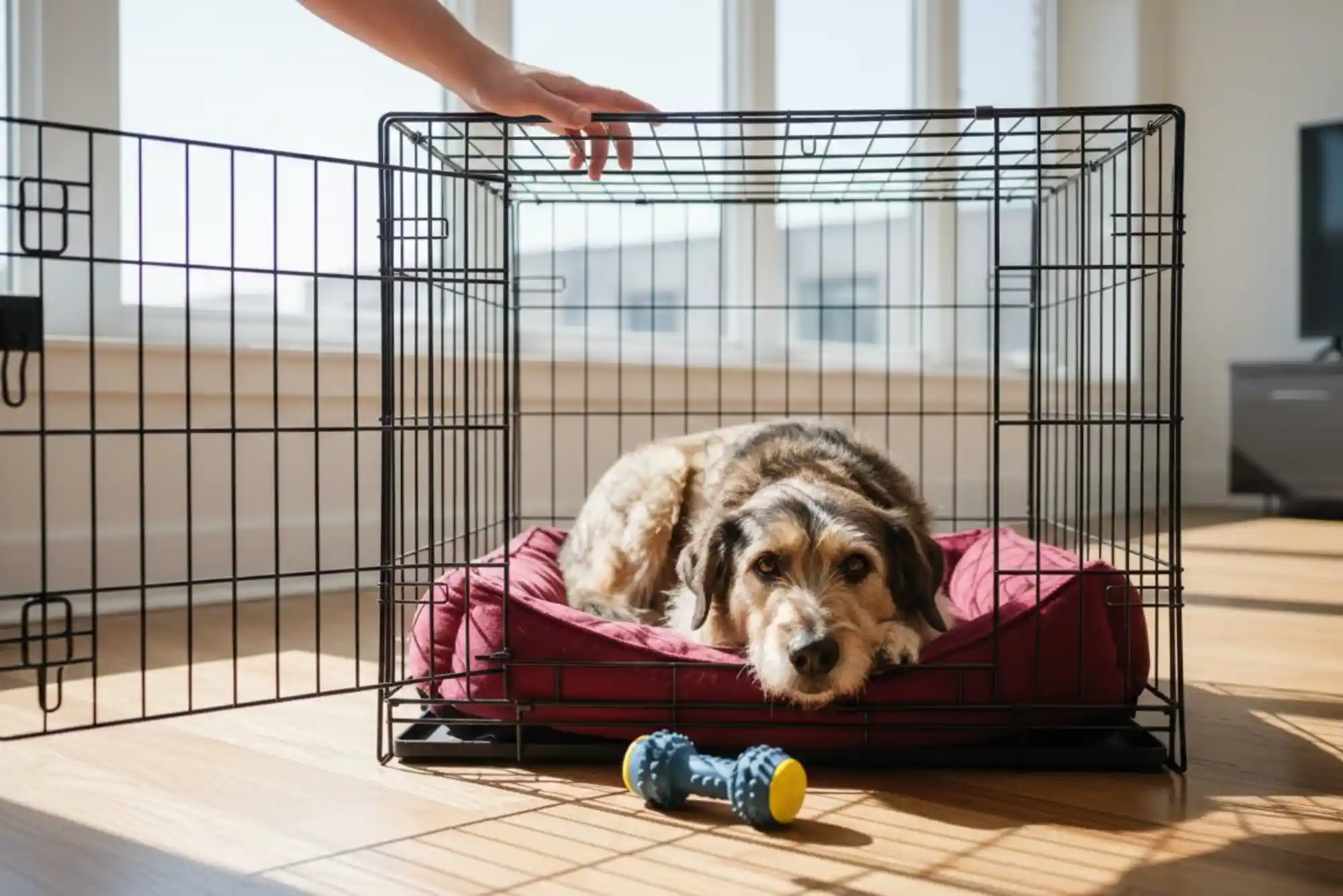
Start by placing the crate in its chosen location with the door secured open. Allow your dog to investigate at their own pace. Avoid pushing, pulling, or carrying a frightened dog inside unless necessary for an immediate safety reason.
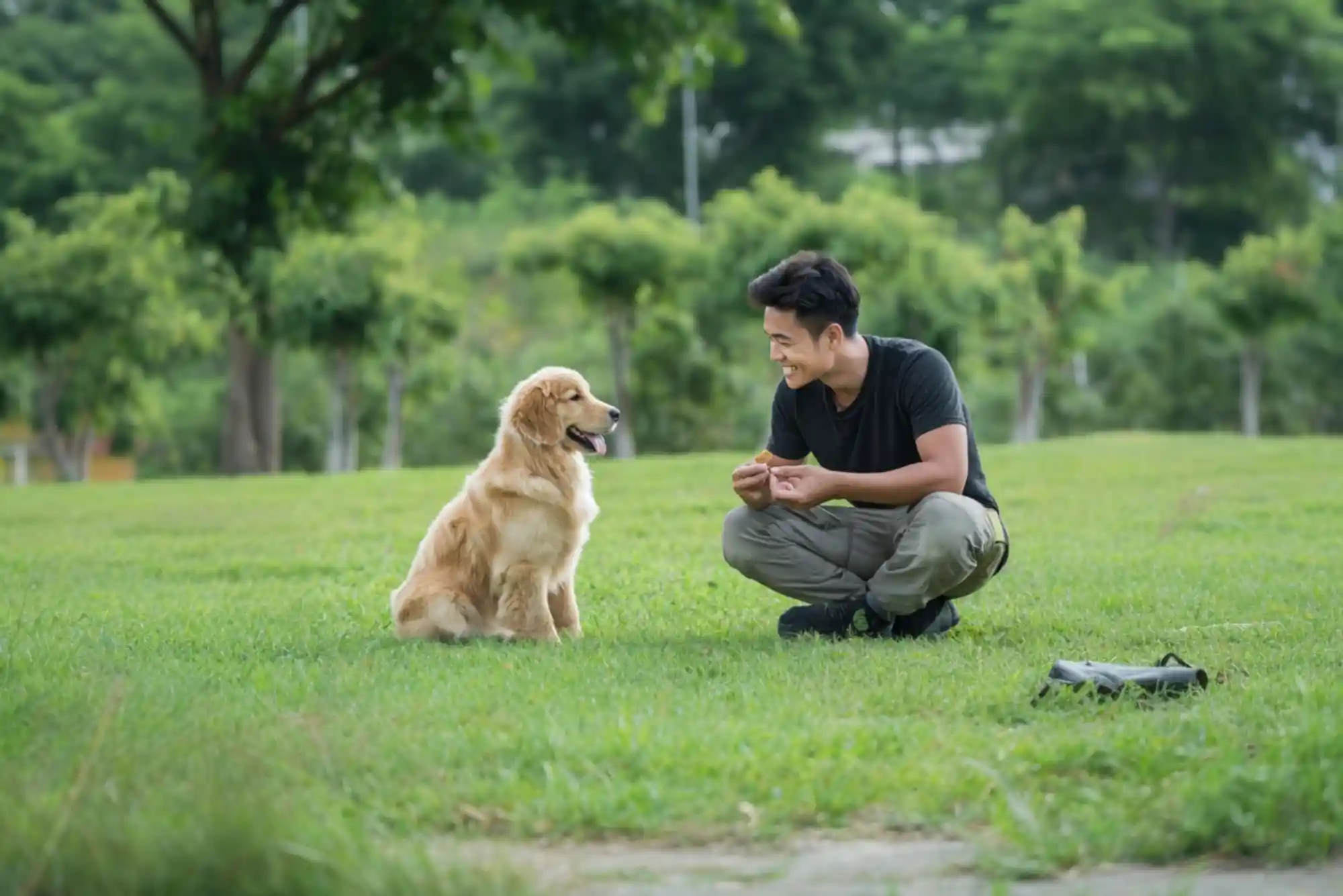
Place a few treats near the entrance. When your dog feels comfortable, move the treats slightly farther inside. You can also offer meals beside the crate before gradually placing the food bowl inside.
Reward voluntary exploration with calm praise. If your dog approaches, sniffs, or briefly enters the crate, allow them to leave whenever they want.
These early sessions may last only a few minutes. The purpose is to teach your dog that the crate predicts good experiences and does not remove their ability to feel safe.
Build Positive Associations Through Rewards
Once your dog willingly enters the crate, encourage longer, comfortable visits. Offer a food-stuffed toy, a safe chew, or a small treat while your dog rests inside.
Choose enrichment items appropriate for your dog’s chewing habits and supervise initially to make sure they do not create a choking or swallowing risk.
Keep the atmosphere relaxed. Avoid excessive excitement, repeated commands, or coaxing a dog who is clearly uncomfortable.
During crate training an older rescue dog, voluntary participation is especially valuable. A dog who chooses to enter the crate is more likely to develop a positive association than one who is repeatedly placed inside against their wishes.
Practice Brief Door Closures
When your dog enters comfortably and remains relaxed, begin introducing the door. Close it for just a second or two while offering a treat, then open it again before your dog becomes worried.
Gradually increase the duration only when your dog remains comfortable. You might progress from a few seconds to several seconds, then to a minute or longer over multiple sessions.
Watch your dog’s body language closely. If they stop eating, become rigid, pant excessively, paw at the door, or repeatedly attempt to escape, the exercise may be too difficult.
Return to an easier step rather than waiting for the dog to stop struggling. Silence after prolonged distress does not necessarily mean relaxation; the dog may simply have become exhausted or withdrawn.
Increase Distance Before Practicing Short Absences
After your dog can remain relaxed with the crate door closed while you sit nearby, introduce small changes in your position. Stand up, sit down, take a step away, and return.
Next, move briefly out of sight if your dog remains calm. Keep early absences extremely short and return before anxiety develops.
This stage is particularly important when crate training an older rescue dog with separation fears. A dog may tolerate a closed door but become distressed when their owner disappears.
Increase only one difficulty at a time. If moving away causes distress, reduce the distance or return to a shorter exercise. Avoid jumping from a few seconds of practice to leaving the house for an hour.
Build a Consistent Daily Routine
Short, regular sessions are often more useful than occasional, lengthy training attempts. Practice when your dog is calm and has had an appropriate opportunity to exercise and relieve themselves.
Include predictable feeding, rest, gentle activity, and enrichment. Consistency helps your dog understand what happens next and reduces unnecessary uncertainty.
However, routine should not become a reason to ignore distress. If your dog struggles during a particular exercise, adapt the plan rather than insisting on the same duration every day.
Helping an Older Rescue Dog Cope with Separation Fears
Crate training an older rescue dog becomes more challenging when the dog fears being left alone. In this situation, the training plan must focus on emotional security as well as comfort with the crate.
Recognize Early Signs of Anxiety
Learn to recognize your dog’s individual stress signals. Some dogs pace, pant, tremble, bark, or repeatedly lick their lips. Others refuse food, freeze in place, or try to escape.
A pet camera can help you observe what happens after you leave the room. Look for the moment anxiety begins rather than judging success by whether your dog remains inside the crate.
If your dog panics immediately after you leave, reduce the difficulty. Practice stepping out of sight for a second, then returning while your dog remains comfortable. Over time, gradually increase the duration.
Avoid Long Absences During Early Training
Do not assume that a dog who tolerates five minutes alone can manage several hours. Separation training should progress according to your dog’s response.
When possible, arrange help from a trusted friend, family member, or qualified pet sitter while you work on training. Repeated panic during unavoidable absences can undermine progress.
For dogs with diagnosed separation anxiety, a veterinarian or qualified separation-anxiety specialist can develop an individualized behavior plan. Some dogs benefit from veterinary treatment alongside behavior modification.
Managing Phobias During Crate Training
Phobias can complicate crate training an older rescue dog because a dog may associate particular sounds, sights, or situations with danger. Thunderstorms, fireworks, traffic noises, and unfamiliar visitors can all trigger fear in susceptible dogs.
Make the Crate a Retreat from Frightening Sounds
If your dog fears loud noises, place the crate in a quiet interior room away from windows. Close curtains when appropriate and use gentle background noise to reduce the impact of sudden sounds.
Allow your dog to choose whether to enter the crate. Never shut a frightened dog inside during a thunderstorm or fireworks display simply because you believe the enclosed space will calm them.
Some dogs feel safer in an open crate, behind furniture, or in another familiar hiding place. Follow your dog’s behavior rather than insisting that the crate must be the preferred refuge.
Practice Desensitization Carefully
For certain sound sensitivities, a veterinarian or qualified behavior professional may recommend controlled exposure to recordings at a very low volume. Pair the sound with something pleasant, such as food or calm interaction.
The sound should remain quiet enough that your dog notices it without becoming frightened. Increase the volume gradually only when your dog consistently stays relaxed.
If your dog begins trembling, hiding, refusing food, or trying to escape, reduce the intensity or stop the session. Severe phobias may require professional support rather than home exercises alone.
Common Crate Training Mistakes to Avoid
Even well-intentioned owners can accidentally make crate training an older rescue dog more difficult by moving too quickly or misunderstanding signs of fear.
Never Force a Frightened Dog into the Crate
Pushing a dog inside, blocking the exit, or repeatedly closing the door against resistance can create negative associations. Give your dog the opportunity to approach voluntarily and build trust through consistent, rewarding experiences.
Do Not Punish Barking or Whining Caused by Fear
Barking and whining can communicate discomfort, fear, or a physical need. Shouting, banging on the crate, or using punishment can increase anxiety without addressing its cause.
Instead, assess your dog’s body language and the circumstances. If the behavior indicates panic, end the exercise safely and make the next session easier.
Do Not Use the Crate as a Cure for Separation Anxiety
A crate may prevent access to household hazards, but it does not automatically resolve the distress caused by separation. A panicking dog can injure their teeth, paws, or body while attempting to escape.
If your dog shows intense distress when confined or left alone, consider a dog-proofed room or secure exercise pen if that environment is safer and more comfortable. Seek professional guidance before continuing confinement training.
When to Seek Professional Help
Some dogs need more support than gradual crate introductions can provide. Contact a veterinarian if your dog suddenly develops anxiety, appears uncomfortable in confined spaces, or shows changes in sleep, appetite, mobility, or toileting.
Pain, hearing changes, and age-related cognitive changes can affect behavior in older dogs. A veterinary examination can help identify medical factors that may be contributing to the problem.
Seek help from a qualified, reward-based trainer or veterinary behavior professional if your dog repeatedly panics, injures themselves, attempts dangerous escapes, or makes little progress despite careful training.
Professional support is especially important when separation anxiety and noise phobias occur together. Your veterinarian can discuss whether medication, environmental adjustments, and a structured behavior plan may improve your dog’s quality of life.
Build Trust Before Expecting Independence
Crate training an older rescue dog with separation fears and phobias is a gradual process built on trust, patience, and positive experiences. The most important goal is not getting your dog to remain inside a crate for a particular length of time. It is helping them feel safe enough to relax.
Introduce the crate gradually, reward voluntary entry, practice short door closures, and increase your distance only while your dog remains comfortable. For separation anxiety or serious phobias, remember that professional treatment may be more appropriate than crate confinement.
Every dog has an individual history and learning pace. Some become comfortable within days, while others need weeks or longer. Progress may be slow, but a thoughtful approach can strengthen your relationship and help your rescue dog feel more secure.
Ready to help your rescue dog feel safer at home? Start with a comfortable crate, a few small treats, and a short, pressure-free session today. If your dog shows signs of panic, consult your veterinarian before increasing confinement.
FAQs
Can you crate train an older rescue dog?
Yes. Older rescue dogs can learn to feel comfortable in a crate through gradual introductions and positive reinforcement. Begin with the door open, reward voluntary exploration, and increase confinement time only when your dog remains relaxed. Dogs with severe fear may need a different approach.
How long does it take to crate train an older dog?
The timeline depends on the dog’s history, temperament, and comfort with confinement. Some dogs make progress within days, while fearful rescue dogs may need several weeks or longer. Separation anxiety and phobias can extend the process, so focus on steady progress rather than a fixed deadline.
Should I crate my dog if they have separation anxiety?
Not necessarily. A crate can worsen distress in dogs who panic when left alone or confined. If your dog tries to escape, drools excessively, or injures themselves, stop using the crate for that situation and consult your veterinarian or a qualified behavior professional.
How do I get my rescue dog to stop crying in the crate?
First, determine whether the crying reflects fear, separation distress, a need to toilet, or another form of discomfort. Reduce the duration, remain nearby, and reward calm, voluntary crate use. Never punish a frightened dog or leave them to endure prolonged panic.
Should I leave my rescue dog’s crate open at night?
Leaving the door open can be a good starting point for a dog who is still learning to feel safe. Once your dog is comfortable, you can gradually introduce brief closures if appropriate. If confinement causes distress, allow your dog to sleep in another safe area while you seek guidance.
What is the best crate for an anxious rescue dog?
The best crate is one that suits your dog’s size, mobility, and comfort level. It should allow them to stand, turn around, and lie down naturally, with adequate ventilation and a secure design. However, no crate type will resolve severe separation anxiety on its own.
How can I calm my rescue dog during thunderstorms or fireworks?
Provide a quiet, familiar hiding place away from windows and reduce exposure to sudden noises. Let your dog choose where they feel safest, and offer calm reassurance. Do not force them into a closed crate during a frightening event. Consult a veterinarian if their fear is severe or persistent.
Can an older rescue dog be left alone in a crate for eight hours?
Eight hours is too long for many dogs, particularly those with anxiety, medical needs, or limited bladder control. Even a dog who tolerates a crate may need breaks, exercise, water, and social contact. Assess your dog’s individual needs and arrange suitable care rather than relying on a full workday of confinement.