Introduction
Winter brings festive cheer, snowy walks, and cozy nights by the fire. However, freezing temperatures pose serious hidden dangers to our canine companions. Many pet parents assume a dog’s fur coat offers complete protection against the winter chill. Unfortunately, freezing winds, wet snow, and sub-zero temperatures can quickly overwhelm a dog’s natural defenses. Understanding the signs of hypothermia and frostbite in dogs: cold weather safety temperature limits is vital for every responsible owner. Knowing when the weather crosses the line from crisp to dangerous can literally save your furry friend’s life.
Understanding Canine Cold Weather Tolerance
Every dog has a unique tolerance level for cold weather. Factors like breed, coat thickness, body size, age, and health status play a huge role. For instance, short-haired breeds like Greyhounds or Chihuahuas feel the chill much faster than double-coated Huskies. Small dogs lose body heat much quicker because of their high surface-area-to-mass ratio. Senior dogs and puppies also struggle to regulate their body temperature effectively. Medical conditions like arthritis or heart disease can worsen their vulnerability to cold air. Therefore, you must evaluate your individual dog rather than relying on generic weather assumptions.
Safe and Dangerous Temperature Limits for Dogs
Knowing exact temperature thresholds helps prevent accidental cold-related injuries during your daily walks. Generally, temperatures above 45°F are safe for almost all healthy dogs to play outside. Once temperatures drop between 32°F and 40°F, medium and large dogs remain safe, but small or short-haired dogs need monitoring. When the mercury falls below 32°F, all small and vulnerable dogs are at a much higher risk. Temperatures dropping below 20°F become dangerous for all dogs, especially for extended outdoor exposure. If you feel uncomfortable standing outside without a heavy winter coat, your dog likely feels it too. Limit outdoor bathroom breaks to a few minutes during severe cold snaps.
Early Warning Signs of Canine Hypothermia
Hypothermia occurs when a dog’s body temperature drops dangerously below normal levels. Recognizing the initial warning signs allows you to intervene before the situation becomes life-threatening. The earliest indicator is persistent and intense shivering throughout the body. You might also notice your dog acting unusually sluggish, weak, or clumsy. Their body may hunch up tightly to try and preserve vital core heat. Their paws, ears, and tail will feel unusually cold to the touch. If you spot these symptoms during a winter walk, head indoors immediately. Ignoring these mild signs can quickly lead to a severe medical emergency.
Advanced Symptoms of Severe Hypothermia
As body temperature continues to plummet, hypothermia transitions from mild discomfort to a critical crisis. The shivering will suddenly stop, which is actually a very dangerous sign of muscle fatigue. Your dog may become unresponsive, uncoordinated, or slip into a semi-conscious stupor. Their breathing rate will slow down dramatically, and their heartbeat will become faint. Their mucous membranes, like the gums, might turn pale, blue, or grayish. At this advanced stage, emergency veterinary intervention is required immediately. Wrap your dog in warm blankets and call your vet while you travel to the clinic.
Recognizing the Signs of Frostbite in Dogs
Frostbite happens when extreme cold causes body tissues to freeze, usually starting with the extremities. The most common areas affected include ear tips, paw pads, the tail, and the nose. In the early stages, the affected skin may look pale, grey, or bluish-white. The skin will also feel hard, cold, and brittle to the touch when you gently examine it. As the tissue thaws out later, it often becomes red, swollen, and extremely painful. Your dog might whine, lick the affected area excessively, or try to avoid walking. Never rub or massage frostbitten tissue because this friction causes further cellular damage.


Immediate First Aid for Cold-Exposed Dogs
If you suspect your dog suffers from mild cold exposure, you must act quickly and calmly. Bring your dog inside immediately and move them away from drafty doors or windows. Gently dry off any snow, ice, or moisture from their fur using soft towels. Wrap your dog in warm, pre-warmed blankets to slowly raise their core temperature. You can use heating pads set on the lowest setting, but wrap them in a towel first. Never use direct high heat like hair dryers or boiling water bottles on frozen skin. Offer warm water to drink if they are fully conscious and alert. Call your veterinarian for guidance if symptoms persist or worsen over the next hour.
Essential Winter Safety Gear and Precautions
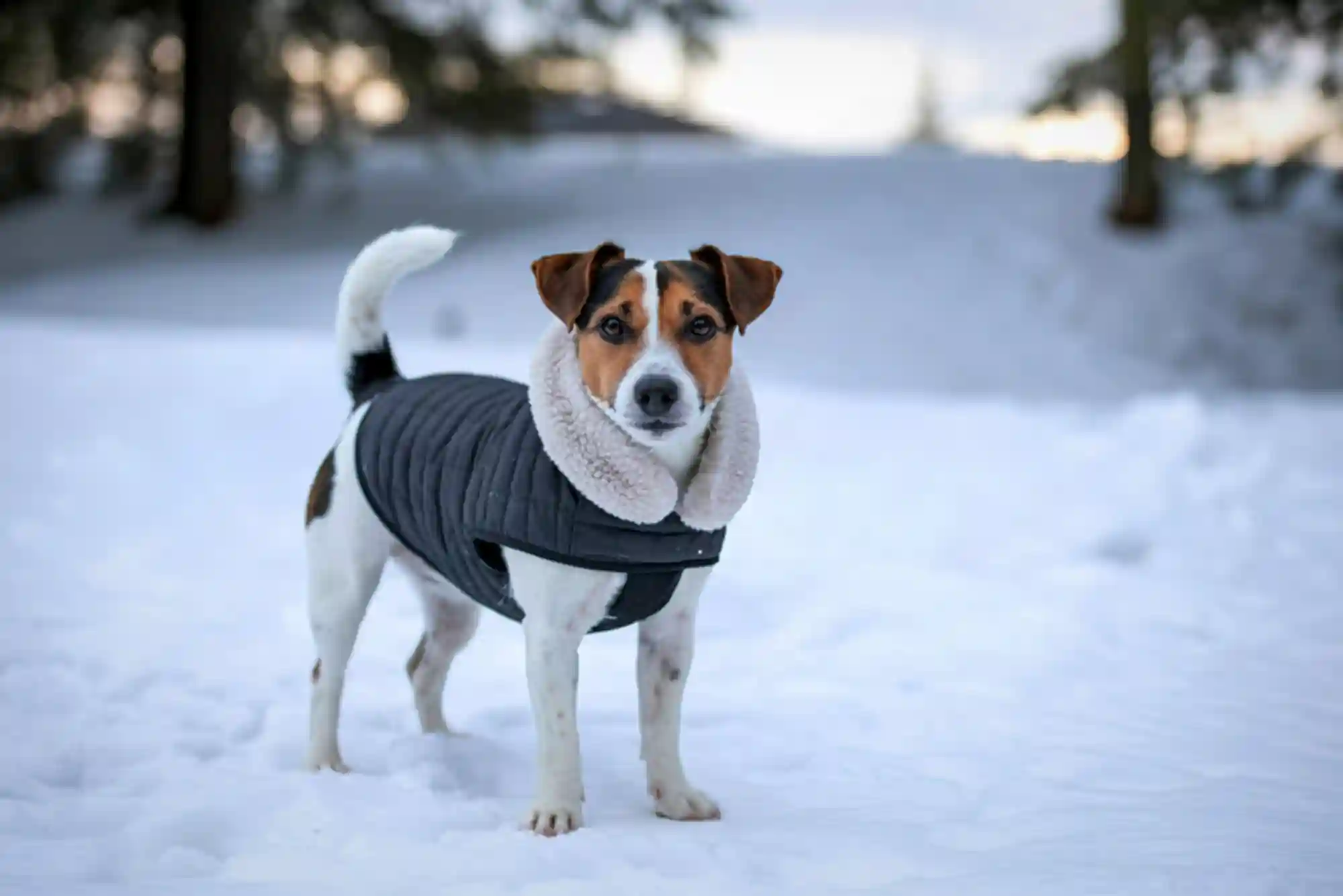
Preparation is your best defense against winter weather hazards during your daily routines. Invest in a well-fitting, insulated dog coat or sweater that covers their chest and belly. Consider protective dog booties to shield sensitive paw pads from ice, snow, and toxic melting salts. Wipe your dog’s paws clean with a damp cloth immediately after every outdoor walk. Avoid walking near frozen lakes or ponds where thin ice can break under their weight. Keep outdoor playtime shorter during windy days because windchill accelerates heat loss rapidly. Provide an elevated, cozy indoor bed away from cold drafts for their resting time.
Frequently Asked Questions
What temperature is too cold for dogs outside?
Generally, temperatures below 32°F pose risks for small or short-haired dogs. Temperatures below 20°F are dangerous for all breeds during extended outdoor exposure.
How can I warm up my dog safely at home?
Bring them indoors, dry them thoroughly, and wrap them in warm blankets. Avoid using direct high heat sources like hair dryers to prevent thermal burns.
What are the very first signs of hypothermia in dogs?
The earliest indicators include persistent shivering, sluggish behavior, cold paws, and a hunched posture.
Can dogs get frostbite on their paws?
Yes, paw pads frequently develop frostbite when walking on snow and ice without protective booties.
When should I take my cold dog to the vet?
Seek immediate emergency veterinary care if shivering stops, your dog becomes unresponsive, or skin turns pale and hard.
Conclusion
Winter adventures with your dog can remain fun and safe when you stay vigilant and prepared. Paying close attention to weather limits and recognizing early behavioral changes makes all the difference. Always prioritize your dog’s comfort and health over finishing a long walk in freezing weather. Protect their paws, dress them in warm gear, and monitor them closely during outdoor excursions. If you notice any suspicious symptoms of cold-related distress, take action right away. Share this vital safety guide with fellow pet parents to help keep our canine community safe all winter long.